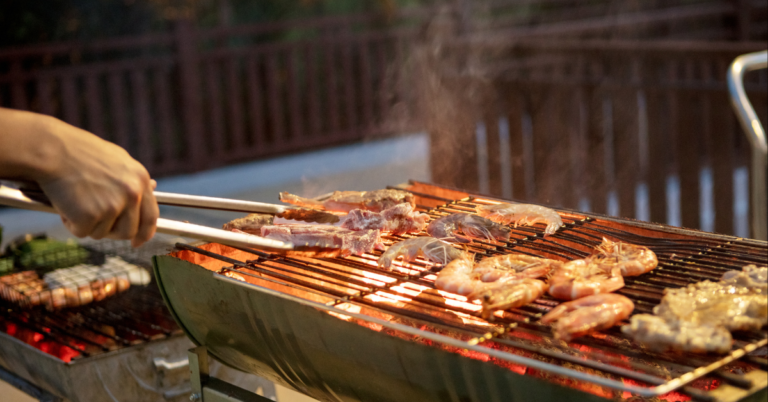
Tips for Hosting a Large-Scale BBQ Event Without the Stress
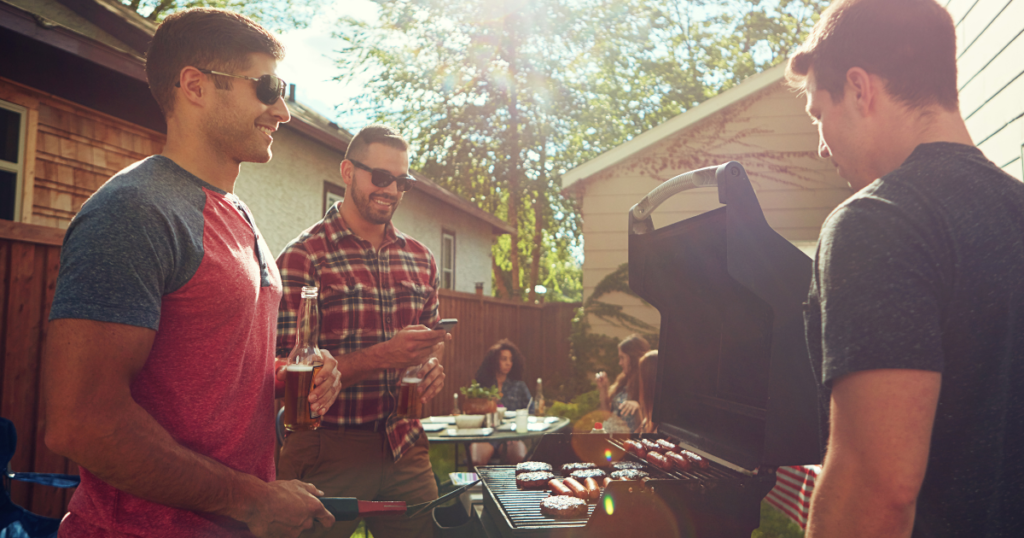
A large BBQ event looks effortless when everything runs smoothly. Guests enjoy the food, the atmosphere feels relaxed, and the grill continues to produce great meals. Behind the scenes, though, hosting a big gathering requires planning.
The biggest source of stress usually comes from last-minute decisions…uncertain guest counts, complicated menus, or not enough cooking space. Without a clear plan, even experienced hosts can feel overwhelmed.
This blog post breaks down practical tips for organizing a large BBQ event step by step. With the right preparation, you can focus on enjoying the gathering instead of worrying about logistics.
Start With a Clear BBQ Event Plan
Large BBQ gatherings become stressful when planning begins too late. Before thinking about recipes or equipment, define the structure of the event. A clear plan simplifies every decision that follows.
Define the Purpose of the BBQ Event
The type of event affects the scale and style of your setup. A backyard birthday party, corporate BBQ, or community fundraiser all require different levels of preparation.
For example, a casual family gathering may allow self-serve food stations, while a company event might require structured serving lines. Knowing the purpose also helps determine how formal the food presentation should be.
Estimate Guest Count Early
Guest count drives almost every major decision:
- Food quantity
- Grill capacity
- Seating and space requirements
- Drink supplies
Even a rough estimate helps with planning. If you expect 60–80 guests, prepare for the higher end to avoid running short on food.
Choose the Right Venue
The location should comfortably support cooking and guest movement. Backyard events work well when there is enough open space for grills, tables, and food stations.
For parks or rented venues, confirm a few details in advance:
- Grill or smoker permissions
- Power access if needed
- Shade and seating options
Good venue planning prevents logistical problems during the event.
Build a BBQ Menu That Scales Easily
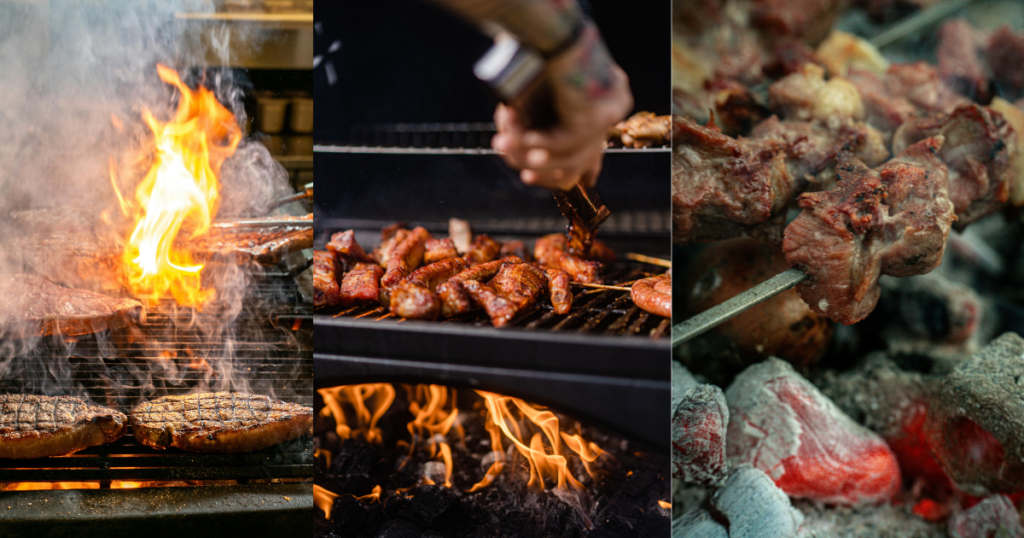
A large BBQ event works best with a simple, reliable menu. Complicated dishes slow down preparation and increase stress during serving.
Focus on foods that cook in batches and hold heat well.
Crowd-Friendly Proteins
Proteins should be easy to cook in larger quantities and remain flavorful even when prepared ahead of time. Popular options include:
- Pulled pork
- Brisket
- BBQ chicken
- Sausages
Slow-cooked meats work well because they can be prepared hours earlier and served throughout the event. This reduces pressure on the grill during peak serving times.
Easy-to-Serve Side Dishes
Side dishes should require minimal last-minute preparation. Large bowls or trays allow guests to serve themselves quickly.
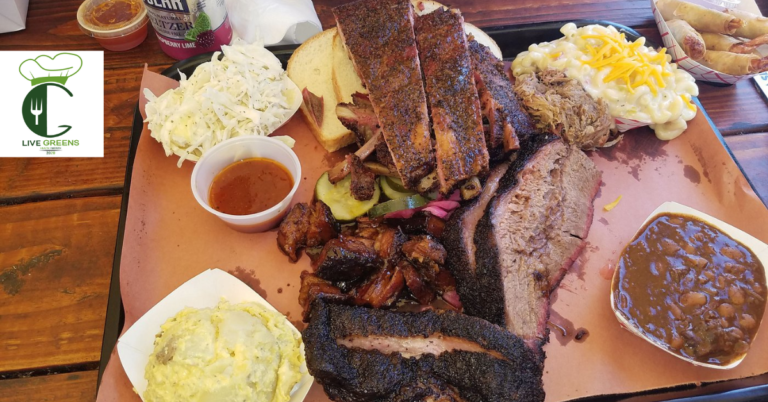
Common BBQ sides include coleslaw, baked beans, mac and cheese, cornbread, and potato salad. These foods are filling and easy to scale for large crowds.
Plan for Dietary Needs
Large groups often include different dietary preferences. Include at least one vegetarian option and a few simple gluten-free sides.
Grilled vegetables, corn on the cob, or bean salads are easy additions that ensure everyone has something to eat.
Calculate Food Quantities the Smart Way
Running out of food is one of the most common concerns when hosting a BBQ event. A simple portion strategy helps avoid both shortages and excessive leftovers.
Protein Guidelines
For large gatherings, plan roughly ½ pound of cooked meat per guest. If you are offering multiple meats, reduce the portion slightly for each type of BBQ.
Example:
- One protein option → about ½ pound per person
- Two proteins → about ⅓ pound each
Side Dish Portions
Plan for two to three side dishes per guest. Most guests will sample several options, but portions are usually small.
Large trays of coleslaw, baked beans, and pasta salad are usually sufficient for most events.
Drinks and Desserts
Guests tend to drink more at outdoor BBQ events, especially in warm weather. Plan multiple beverage options such as water, soda, iced tea, or lemonade.
Desserts should remain simple. Brownies, cookies, and fruit trays are easy to serve and require minimal preparation.
Choose the Right Cooking Setup
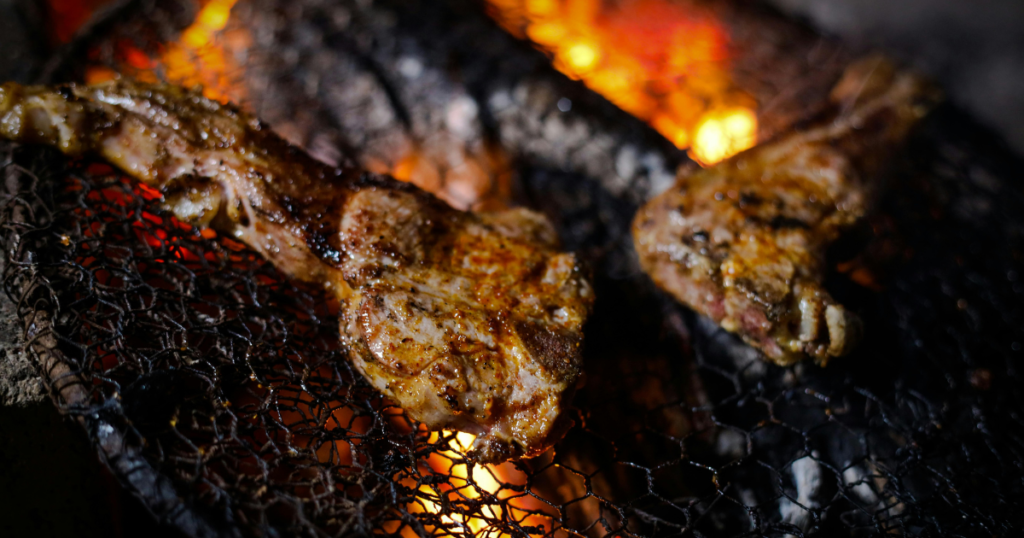
Your cooking equipment determines how quickly food can be prepared and served. A large BBQ event often requires more than one grill.
Grill vs. Smoker vs. Mixed Setup
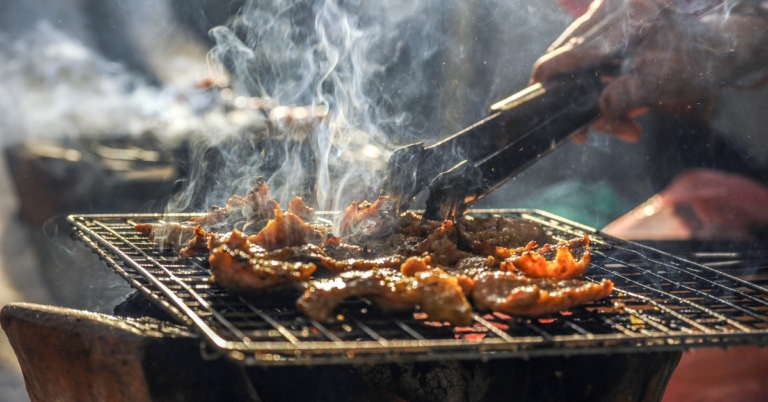
A standard grill works well for burgers, chicken, and sausages. Smokers are ideal for slow-cooked meats like brisket or pulled pork.
For large events, a mixed setup often works best. Slow-cook meats in a smoker ahead of time and use the grill for items that need quick finishing.
Plan a Cooking Timeline
Timing is critical for BBQ cooking. Large cuts of meat often require several hours to cook.
For example:
- Brisket may need 8–12 hours
- Pulled pork may require 6–10 hours
- Chicken cooks much faster
Starting early ensures the food is ready when guests arrive.
Prepare Ingredients in Advance
Season the meat the night before, if possible. Pre-cut vegetables, prepare sauces, and organize serving trays in advance.
Preparation done in advance significantly reduces stress during the event.
Plan Service Style for Large Crowds
The way food is served affects guest flow and wait times.
Buffet-Style BBQ Service
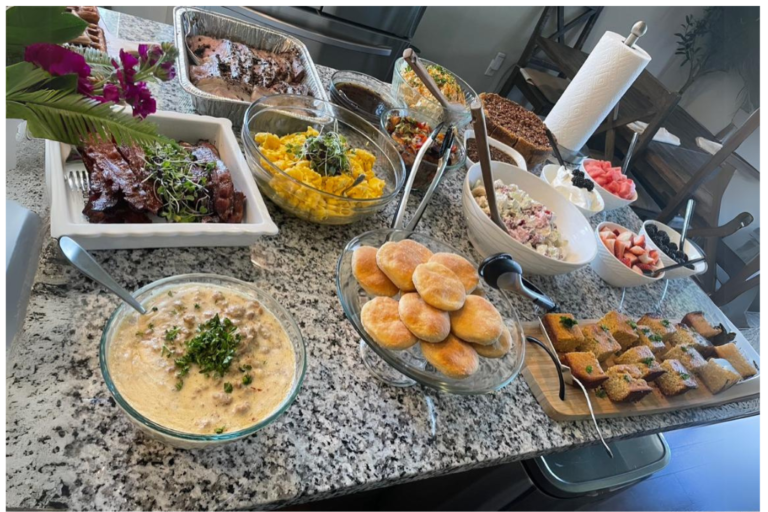
Buffet-style service works well for most large BBQ events. Guests move along the table, serve themselves, and return to seating areas.
This method requires fewer staff members and keeps the event relaxed.
Self-Serve Stations
Separate stations for drinks, sauces, or desserts reduce congestion at the main food table. A sauce station with several BBQ options also adds variety without complicating the menu.
Plated Service for Formal Events
For more formal gatherings such as corporate events or weddings, plated service may be appropriate. This requires additional staff but creates a structured dining experience.
Organize Staffing and Help
Trying to manage everything alone is one of the fastest ways to turn a BBQ event into a stressful experience.
Assign Cooking Roles
If multiple people are helping, assign clear responsibilities. One person can monitor the grill while another handles food preparation or serving.
Defined roles keep the cooking process organized.
Recruit Volunteers or Staff
Family members, friends, or hired helpers can assist with tasks such as setting up tables, refilling food trays, and managing drinks.
Even a few helpers can significantly reduce the host’s workload.
Plan Cleanup Early
Place trash bins in visible areas and keep extra bags nearby. Cleaning as the event progresses prevents a large mess at the end of the night.
Set Up the Event Layout
A well-planned layout improves guest flow and reduces crowding around food areas.
Food Station Placement
Place food tables away from cooking equipment to avoid congestion near grills. Allow space for guests to move comfortably through serving areas.
Seating and Shade
Outdoor events should provide a mix of seating and standing space. Tables, folding chairs, or picnic benches work well. If the weather is hot, consider tents or umbrellas to provide shade.
Separate Cooking and Guest Areas
Grills and smokers should remain in a designated cooking zone. This keeps guests safe and allows cooks to work without interruption.
Create a BBQ Event Timeline
A simple timeline keeps the event organized.
Example timeline for a large BBQ event:
- Morning: Begin slow cooking meats and prepare side dishes
- 2–3 hours before guests arrive: Set up tables, drinks, and food stations
- Guest arrival: Finish grilling quick items such as chicken or sausages
- Serving time: Open buffet stations and replenish trays as needed
- After the event: Begin cleanup and pack remaining food
Planning the day in stages keeps everything manageable.
Common Mistakes When Hosting a Large BBQ Event
Even experienced hosts make mistakes that create unnecessary stress.
Cooking Everything at the Last Minute
Trying to cook everything while guests arrive causes delays. Prepare slow-cooked items in advance and focus on the finishing touches during the event.
Complicated Menus
Large BBQ events work best with simple, reliable dishes. Too many menu options slow down preparation and increase food waste.
Not Enough Drink Stations
Long lines for drinks frustrate guests. Multiple drink stations keep people moving and reduce congestion.
Underestimating Food Quantity
Running out of food is stressful for hosts. Planning slightly more food than necessary is safer than running short.
Doing Everything Alone
Large gatherings require teamwork. Delegating tasks keeps the event enjoyable for the host as well.
BBQ Event Planning Cheat Sheet
| Event Size | Protein Needed | Side Dishes | Recommended Setup |
| 20–40 guests | ~10–20 lbs meat | 3–4 sides | One grill |
| 40–100 guests | ~25–50 lbs meat | 4–5 sides | Grill + smoker |
| 100+ guests | 60+ lbs meat | 5+ sides | Multiple grills or catering setup |
FAQs Related To BBQ Event
Plan roughly half a pound of cooked meat per guest, along with two or three side dishes. If multiple proteins are offered, smaller portions of each meat usually work well.
Pulled pork,, BBQ chicken, and sausages are popular because they cook well in large batches and stay flavorful during serving.
Slow-cooked meats like brisket and pork shoulder should start several hours before guests arrive. Some cooks begin early in the morning or even overnight.
Sides that can be prepared in large batches work best. Coleslaw, baked beans, potato salad, mac and cheese, and cornbread are reliable options.
Use insulated containers, covered trays, or warming racks. Slow cookers or chafing dishes can also keep food warm while guests continue serving themselves.
Final Takeaway
Hosting a large BBQ event does not have to feel overwhelming. Clear planning, simple menus, and the right cooking setup make the process much easier.
Focus on preparation instead of last-minute cooking. With the right approach, you can enjoy the event alongside your guests while still serving great BBQ. If you want to make your next BBQ party in Portland, Oregon, special, book a call with LiveGreensPDX.