Vegan Meal Prep Ideas That Don’t Get Soggy Overnight
If your vegan lunches get soggy by midweek, you’re not doing anything wrong. You just need better vegan meal prep ideas. Plant-based foods simply behave differently over time. Vegetables release moisture. Grains keep absorbing it. Dressings speed up breakdown.
Most vegan meal prep ideas fail because they ignore structure and timing. Not because the food is bad.
This blog post shows how to prep vegan lunches that stay firm, fresh, and satisfying all week. You’ll learn container strategy, ingredient selection, protein balance, and weekly prep timing. It’s written for busy people, weight loss goals, high-protein needs, and anyone who wants lunches that still taste good after 4-5 days of their prep.
Why Vegan Meal Prep Gets Soggy (And What Most People Miss)
Vegan meals don’t fall apart because they’re poorly cooked. They fall apart because plant-based ingredients behave differently once they’re stored. Understanding why this happens is the first step to fixing it.
High-Water Vegetables Break Down Faster Than You Expect
Vegetables like zucchini, tomatoes, mushrooms, spinach, and bell peppers release water after cooking. When they’re sealed in containers, that moisture has nowhere to go. It pools at the bottom and softens everything around it.
The issue is storing them improperly or mixing them too early with grains and proteins that absorb liquid.
Sauces and Dressings Are the #1 Texture Killer
Sauces feel harmless on day one. By day four, they’ve soaked into grains, wilted greens, and turned crisp ingredients mushy.
Common mistakes include:
- Dressing salads in advance
- Pouring sauce over the entire meal instead of portioning it
- Using thin, water-heavy sauces for multi-day storage
Sauces should be treated as add-ons, not foundations.
Overcooked Grains and Legumes Act Like Sponges
Quinoa, rice, lentils, chickpeas, and beans continue absorbing moisture after cooking. When they’re slightly overcooked, they pull in water from vegetables and sauces during storage.
This is why many meal prep vegan ideas taste fine early in the week but collapse by day five.
Why Most Vegan Meal Prep Ideas Fail by Day 4–5
Most plans ignore moisture flow. Ingredients are cooked, combined, and sealed without considering how they interact over time. The result is predictable.
Key takeaway: Soggy vegan meals are a systems problem, not a recipe problem. Fix the structure, and the food holds up all week.
The Golden Rule of Vegan Meal Prep → Separate Until You Eat
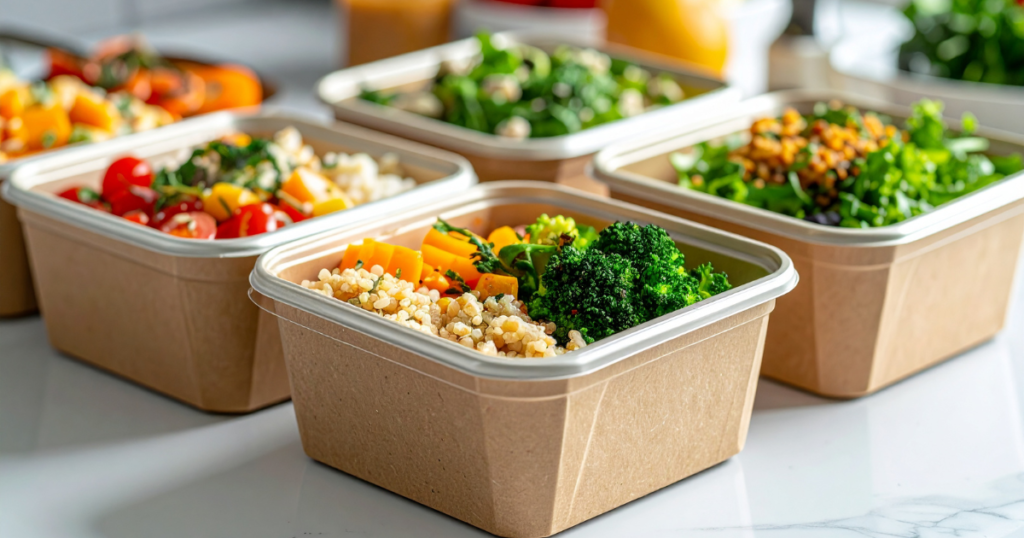
Separation matters more for vegan food than for omnivore meals. Plant-based ingredients hold more water, absorb moisture faster, and lose structure sooner when mixed too early.
This isn’t about food safety. It’s about texture control.
Why Separation Is Critical for Vegan Meals
Animal proteins tend to hold their shape during storage. Cooked vegetables, grains, and legumes do not. When everything is combined in one container, moisture migrates from wet ingredients to dry ones.
Over several days, that migration causes:
- Wilted greens
- Mushy grains
- Diluted flavors
- Lost crunch
Once that happens, no reheating or seasoning can fix it.
Moisture Migration: What Actually Happens
Water always moves to the driest ingredient. Sauces seep into grains. Vegetables release steam, then liquid. Legumes absorb both. By day four or five, the entire meal equalizes into one soft texture.
This is why many “easy vegan meal prep ideas” fail—not because they’re wrong, but because they’re combined too early.
What to Keep Separate
For simple vegan meal prep ideas that last all week, always separate:
- Sauces & dressings
Store in small sealed containers. Add just before eating. - Fresh greens & herbs
Keep raw and dry. Add day-of for crunch and freshness. - Crunch elements
Nuts, seeds, roasted chickpeas, croutons. Never pre-mix.
When to Combine Ingredients
- Day-of eating: Ideal for salads, bowls, and wraps
- Day before: Acceptable for sturdier meals with minimal sauce
- Never in advance: Leafy greens with dressing
Master this rule, and vegan meal prep stops being fragile…and starts working.
Ingredients That Hold Up All Week (And Ones That Don’t)
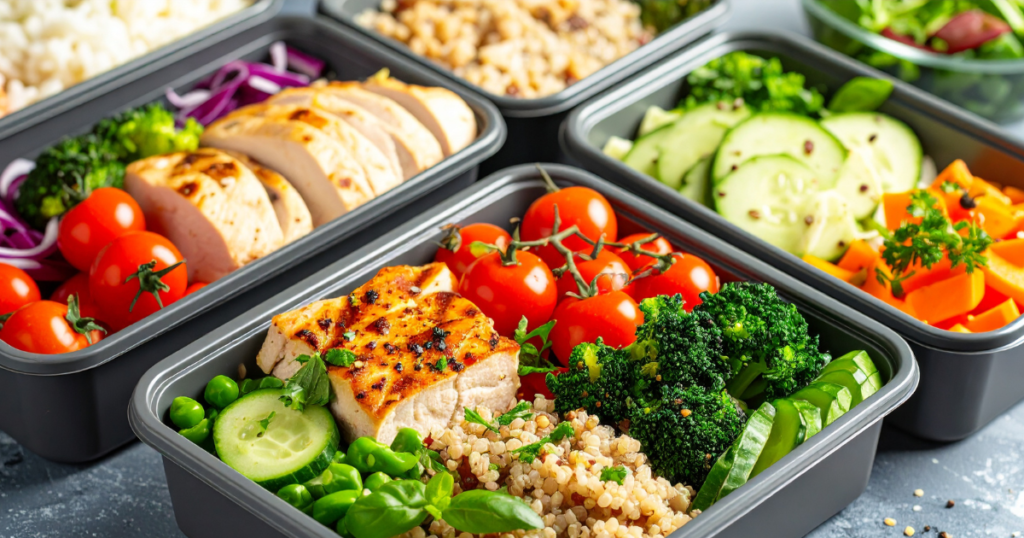
Meal prep success comes down to ingredient behavior over time. Some plant-based foods stay firm and structured for days. Others release water, soften, or collapse. Knowing the difference lets you build the best vegan meal prep ideas that still taste intentional on Friday.
Below is a practical breakdown.
A. Vegan Ingredients That Stay Firm (5-Day Friendly)
These ingredients hold texture, reheat well, and resist moisture breakdown when cooked correctly.
- Roasted root vegetables: Sweet potatoes, carrots, beets, parsnips. Roast until just tender, not soft.
- Lentils & chickpeas (properly cooked): Cook until tender but intact. Overcooking causes splitting and mush.
- Whole grains: Quinoa, farro, barley. Slightly undercook and cool fully before storing.
- Baked tofu, tempeh, seitan: Press the moisture out first. Bake or pan-sear for a firm exterior.
These form the backbone of good vegan meal prep ideas because they stay stable and flexible across multiple meals.
B. Ingredients That Break Down Fast (Use Strategically)
These aren’t “bad” ingredients…but they require timing and separation.
- Raw cucumber: High water content. Store separately or add day-of.
- Tomato-heavy mixes: Release liquid quickly. Keep sauces isolated.
- Leafy greens with dressing: Guaranteed to wilt within hours.
- Zucchini noodles: Soften and leak water rapidly after cooking.
Use these as fresh add-ins, not base components. When you plan around ingredient durability, vegan meal prep becomes predictable…and reliable…all week.
High-Protein Vegan Meal Prep That Doesn’t Get Mushy
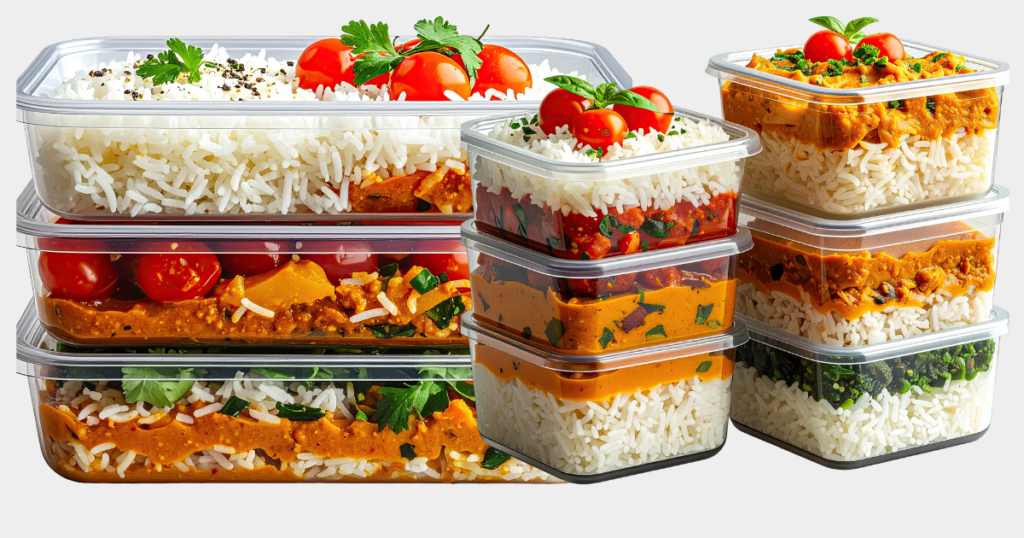
High-protein vegan meals fail when protein is treated like a filler instead of a structure. Protein is what gives a meal backbone. When cooked or stored incorrectly, plant proteins absorb water, soften, and collapse by midweek.
That’s why many high-protein vegan meal prep ideas taste great on day one and fall apart by day four.
Here’s how to get it right.
Best High-Protein Vegan Options for Weekly Prep
Lentils: Choose green or brown lentils. They hold shape better than red. Cook until just tender, then drain well and cool completely before storing.
Tofu (baked beats pan-fried): Press tofu for at least 20 minutes. Baking drives out moisture evenly, creating a firm texture that lasts. Pan-fried tofu softens faster in storage.
Tempeh: Naturally dense and fermented. Steam briefly before cooking to remove bitterness, then bake or sauté. It stays firm all week.
Edamame: Blanch, drain, and fully cool. High protein, low collapse, and excellent for cold or reheated meals.
How to Cook Protein to Avoid Moisture Collapse
- Remove water before cooking (press, drain, steam)
- Cook until firm, not soft
- Let proteins cool fully before sealing containers
- Store separately from sauces
When protein is treated as a structural element, vegan meal prep ideas high in protein stay satisfying, textured, and reliable through Friday.
Vegan Meal Prep for Weight Loss (Without Sad, Soggy Meals)
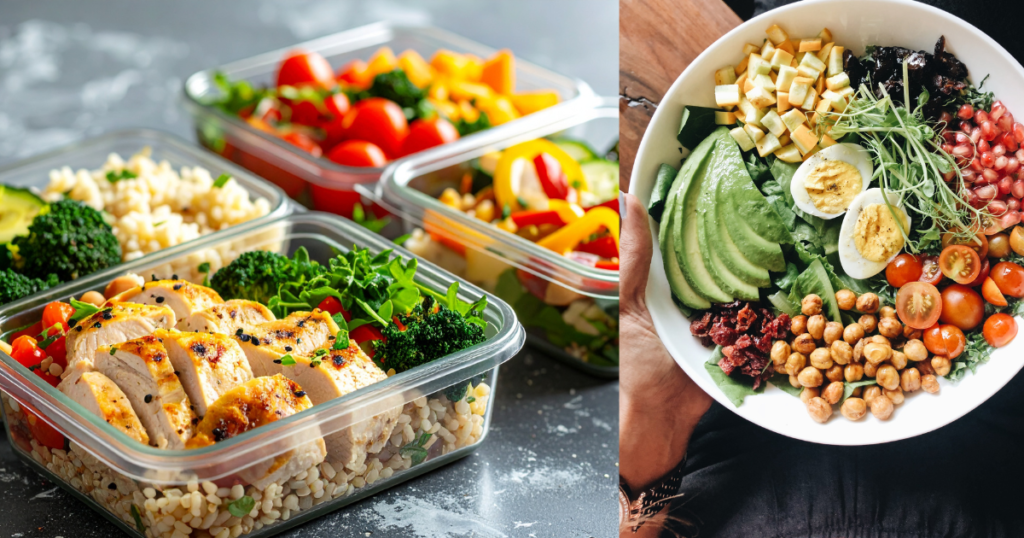
Weight-loss vegan meal prep fails when meals chase low calories instead of a smart structure. The result is often water-heavy bowls that look full but feel unsatisfying…and turn soggy fast. Effective vegan meal prep ideas for weight loss focus on volume, texture, and satiety, working together.
Build Volume Without Waterlogging
- Prioritize roasted or baked vegetables over raw
- Use fibrous veggies (broccoli, cauliflower, cabbage) that hold structure
- Limit high-water add-ins like cucumber and tomato to day-of use
Balance Fiber and Protein
Fiber controls hunger. Protein maintains fullness and texture.
- Pair legumes or tofu with dense vegetables
- Avoid meals built only on grains and greens
Portion Grains and Fats Intentionally
Grains support energy, not volume.
- Keep grains to a measured base, not the bulk
- Use fats (tahini, olive oil) sparingly and separately
Meal Frameworks That Actually Work
- Protein + roasted vegetables + sauce on the side
- Warm grain bowls outperform cold salads for texture and satisfaction
Done right, healthy vegan meal prep ideas stay filling, structured, and stable—without feeling restrictive or falling apart by midweek.
Low-Carb & Gluten-Free Vegan Meal Prep That Holds Texture
Low-carb and gluten-free vegan meal prep fails when substitutions remove structure instead of starch. The goal is to choose ingredients that stay intact over time. The best low-carb vegan meal prep ideas focus on firmness, moisture control, and smart cooking methods.
Low-Carb Swaps That Don’t Release Excess Water
Many low-carb vegetables are naturally high in water. How they’re cooked determines whether they hold up or collapse.
- Vegetables That Hold Texture
Roasted cauliflower florets, cabbage, broccoli, and Brussels sprouts retain structure for several days when cooked dry. They cool well, reheat cleanly, and don’t weep moisture into containers.
- Vegetables That Cause Breakdown
Zucchini, mushrooms, and squash release water as they sit. These can still work, but only when cooked aggressively and paired with firmer proteins.
- When Cauliflower Rice Works (And When It Doesn’t)
Cauliflower rice holds up only when roasted until dry and used within two to three days. Steamed or sauced cauliflower rice breaks down quickly and is one of the biggest texture failures in vegan meal prep.
Gluten-Free Bases That Store Well
Not all gluten-free grains behave the same in storage.
Quinoa and buckwheat remain firm for four to five days when cooked al dente. Millet can work, but only if slightly undercooked. Overcooked gluten-free grains absorb surrounding moisture and turn pasty by midweek.
Raw vs Cooked Vegetable Trade-Offs
Raw vegan meal prep ideas offer freshness but limited shelf life. Most raw components peak within one to two days. Lightly cooked vegetables last longer, travel better, and maintain texture when eaten cold.
The Best Containers for Vegan Meal Prep (This Matters More Than Recipes)
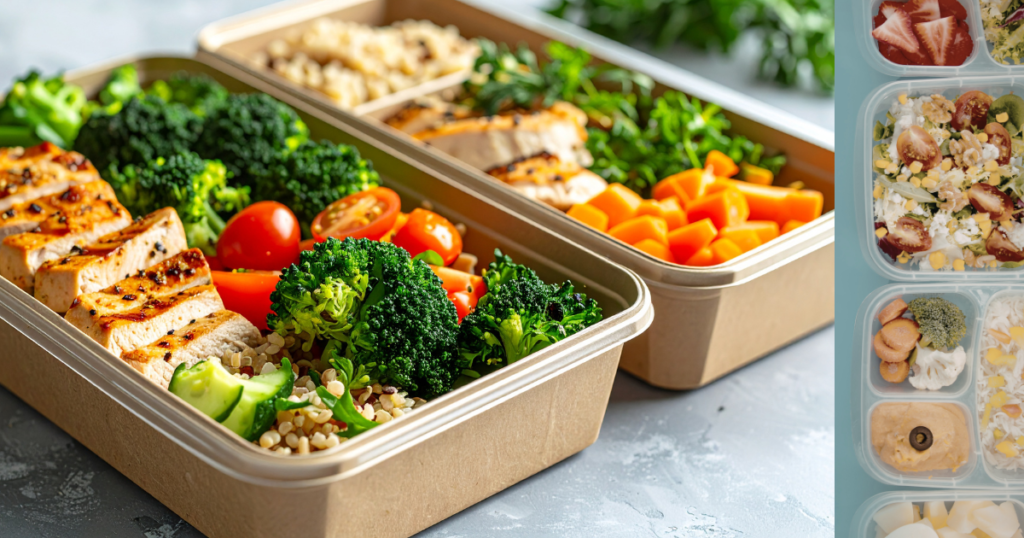
If vegan meal prep turns soggy in two days, the problem is not always the food; it could be the storage. Containers control airflow, condensation, and moisture migration. Get this wrong, and even the best vegan meal prep ideas for the week fall apart.
Why Container Choice Affects Sogginess
Plant-based foods release steam after cooking. If that moisture gets trapped, it settles back into grains, vegetables, and proteins. Over several days, this softens the texture and dulls the flavor. Good containers manage moisture instead of sealing it in blindly.
Airtight vs. Vented Lids
Fully airtight containers work best once food is completely cooled. Trapping warm food creates condensation, which leads to soggy meals. Vented lids or loosely sealed containers are useful for the first few hours of cooling, especially for grains and roasted vegetables. Once cooled, airtight storage preserves freshness without added moisture.
Why Compartment Containers Work Better
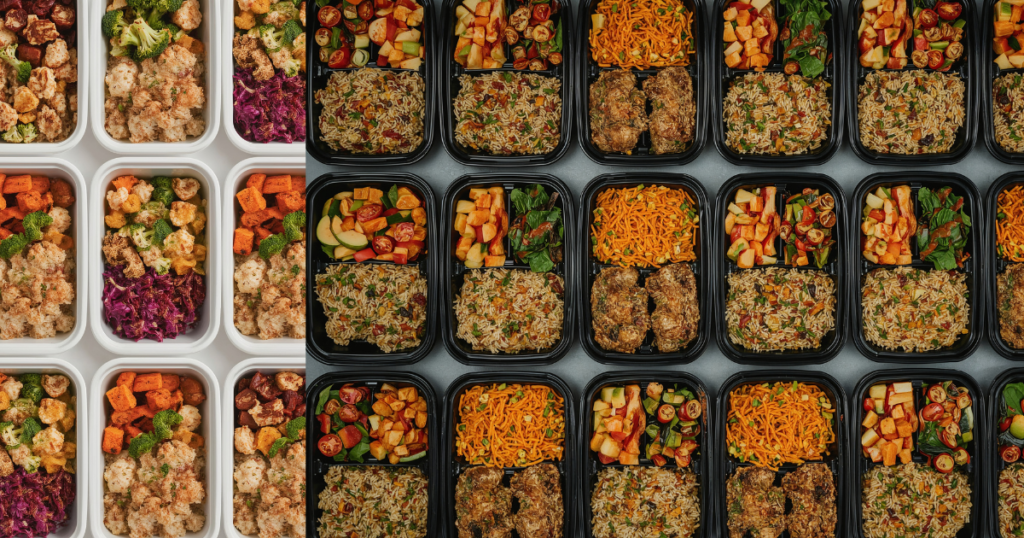
Compartment containers are a quiet upgrade for easy vegan meal prep ideas. They allow you to keep sauces, grains, proteins, and vegetables separate until eating. This single change extends texture life by days and reduces midweek food waste.
Glass vs. Plastic Containers
Glass containers resist staining, odors, and heat-related warping. They also reheat more evenly and don’t trap smells from spices or sauces. Plastic containers are lighter and cheaper but tend to hold moisture and degrade over time. For long-week prep, glass wins.
Weekly Structure That Actually Works (Monday–Friday Strategy)
Good vegan meal prep ideas for the week succeed because of structure, not volume. Trying to cook everything on Sunday usually leads to texture loss by Thursday. A split-prep system keeps meals fresh without daily cooking.
How to Structure the Week
| Timing | What to Prep | Why It Works |
| Sunday (Main Prep) | Cook grains, roast firm vegetables, prepare proteins (lentils, baked tofu, tempeh), make 1–2 base sauces | These components store well for 4–5 days when cooled and stored correctly |
| Sunday (Assembly) | Portion grains and proteins, store vegetables and sauces separately | Prevents moisture transfer and sogginess |
| Midweek (10–20 min refresh) | Chop fresh greens, re-roast or sauté one vegetable, and mix a new sauce | Resets texture and flavor without full re-cooking |
| Daily (5 min) | Combine components, add sauce, and crunch | Keeps meals feeling fresh and intentional |
Rotating Meals Without Re-Cooking
Use the same base components in different combinations. One grain and two proteins can turn into bowls, wraps, salads, or warm plates. This approach supports quick vegan meal prep ideas while avoiding boredom.
Freeze vs. Refrigerate
Freeze cooked grains, lentils, and tofu if you won’t eat them within four days. Refrigerate roasted vegetables and sauces meant for the first half of the week. Never freeze dressed salads or raw vegetables…they lose structure fast.
This system reduces waste, saves time, and keeps vegan meals satisfying from Monday through Friday.
Common Vegan Meal Prep Mistakes (And How to Fix Them)
Even the best vegan meal prep ideas fall apart when timing and storage are off. Most soggy lunches come from a few repeat mistakes.
- Mistake #1: Mixing Everything Too Early
Why it fails: Moisture migrates fast. Grains absorb sauce. Vegetables release water.
Fix: Store grains, proteins, vegetables, and sauces separately. Combine only when you eat or the night before.
- Mistake #2: Overcooking Grains
Why it fails: Soft grains keep absorbing liquid and collapse by day three.
Fix: Cook grains just until tender. Cool them completely before storing. Slightly undercooked is better than overdone.
- Mistake #3: Dressing Meals in Advance
Why it fails: Dressings break down leafy greens and soften everything else.
Fix: Keep sauces in small containers. Add right before eating.
- Mistake #4: Using the Wrong Containers
Why it fails: Non-airtight lids trap condensation or allow moisture to spread.
Fix: Use airtight containers with compartments for separation.
Mistake #5: Prepping Too Many Raw Vegetables
Why it fails: Raw, high-water vegetables degrade quickly.
Fix: Limit raw items to 1–2 days. Rely on roasted or sautéed vegetables for the rest of the week.
Fix these systems, and your vegan meal prep holds up.
Final Take: The Secret to Vegan Meal Prep Isn’t the Recipe
Great vegan meal prep isn’t built on trendy recipes. It’s built on timing, separation, and smart storage. When moisture is controlled, and components are combined late, meals stay satisfying all week.
The payoff is simple: less food waste, fewer rushed lunches, and better meals by Friday than you expected. Once you understand the system, you can mix and match endlessly—without starting over each week.Want us to prepare your weekly meals? Get in touch.